In short
- The park closes for 45 to 60 days in February and March.
- No visitors or private tours are allowed inside during this time.
- The best time to visit is from September to January instead.
In this article
Many visitors arrive at Eravikulam National Park in early spring only to find locked gates. The forest department enforces an annual closure to ensure newborn Nilgiri Tahr can survive their first critical weeks without human disturbance. You need to check the exact dates before booking your trip to Munnar.
When is the Nilgiri Tahr calving season in Munnar?
The calving season occurs in February and March, prompting a 45 to 60-day park closure.
Eravikulam National Park is entirely closed to all visitors during these two months. The exact start and end dates vary slightly each year based on the animals' behavior. You can expect the gates to remain locked from early February through late March.
Why does Eravikulam close for the calving season?
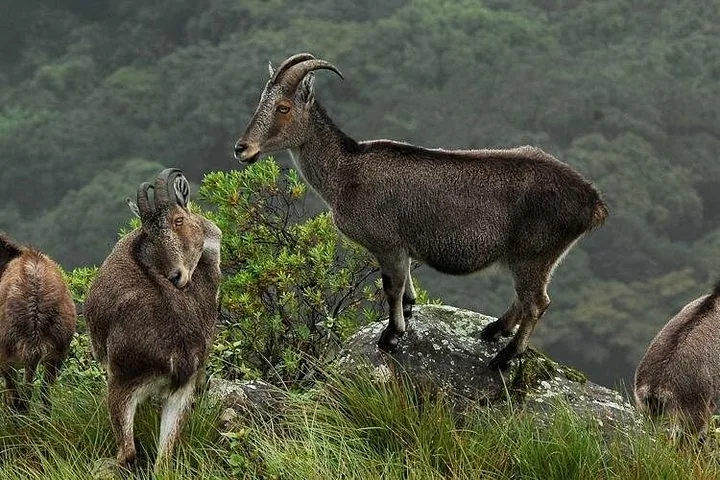
The park shuts down to give the endangered Nilgiri Tahr a stress-free environment to raise their young.
Eravikulam protects the largest remaining wild population of this mountain goat. Newborn calves are highly vulnerable in their first few weeks. Removing tourist traffic and mandatory safari buses from the Rajamala tourism zone ensures the herds can roam safely.
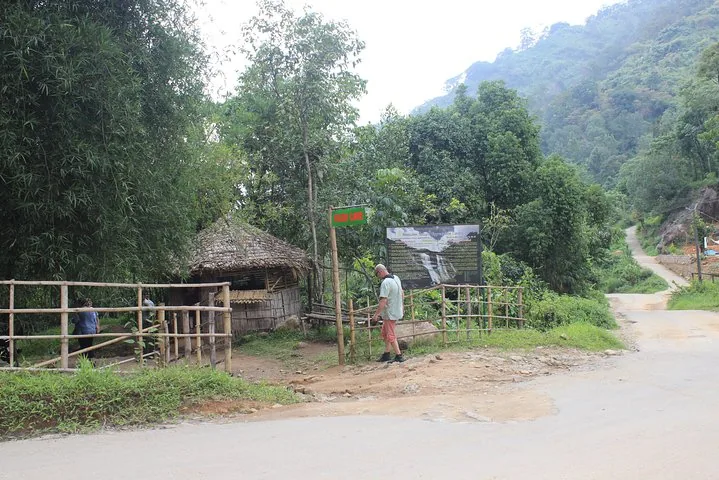
Can you still visit parts of Eravikulam in February or March?
No, the entire Rajamala tourism zone is off-limits to the public.
You cannot access the 5th Mile entrance, the Rajamala Viewpoint, or the Kurinji Trail during the closure. All ticket sales are suspended. If you travel to Munnar during these months, you will need to find alternative wildlife parks.
Where should you go when Eravikulam is closed?
Chinnar Wildlife Sanctuary is an excellent alternative located 1.5 hours from Munnar.
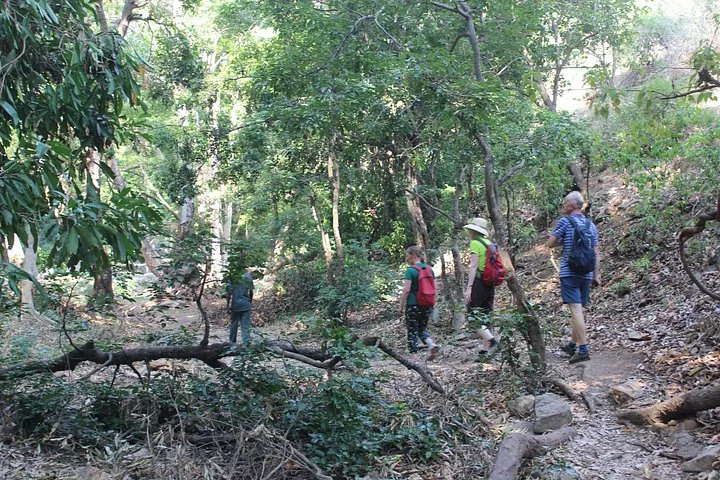
Unlike Eravikulam, Chinnar lies in a rain shadow region and features a dry deciduous forest. It stays open year-round. You can book a guided 4-kilometer jungle trek to Thoovanam Waterfalls and look for the rare Grizzled Giant Squirrel.
| Feature | Eravikulam | Chinnar |
|---|---|---|
| Landscape | Lush shola grasslands | Dry deciduous forest |
| Key Animal | Nilgiri Tahr | Grizzled Giant Squirrel |
| Feb-Mar Status | Closed for 45-60 days | Open year-round |
What is the best time of year to visit Eravikulam?
The ideal time to visit is from September to January.
During these months, the weather is cool and clear, offering excellent visibility for the Anamudi peak. You avoid both the heavy monsoon rains and the spring calving closure. Keep in mind that peak months like December bring long queues for the safari buses.
How do you find out the exact opening date?
The Kerala Forest Department announces the specific reopening date in late March.
Because the closure depends on the calving progress, the park might reopen in late March or early April. You should monitor the official Eravikulam ticket booking portal. Once the gates unlock, entry costs ₹200 for Indian adults and ₹500 for foreign nationals.
Questions travellers ask
Is Eravikulam National Park closed in February and March?
Yes. The park completely closes for roughly 45 to 60 days during these months to protect the Nilgiri Tahr during their calving season.
What is the entry fee for Eravikulam National Park in 2026?
When the park is open, tickets cost ₹200 for Indian adults and ₹500 for foreign nationals. There is also a ₹50 reservation fee and additional camera charges.
Can we stay overnight inside Chinnar Wildlife Sanctuary?
Yes. The forest department runs Eco-Log Houses in Chinnar. You must book these wilderness stays well in advance through the official Kerala Forest Ecotourism website.